Knowledge of place
Wherever THRE goes, it arrives as a guest.
Every place we will ever build already knows how to live: in its fields, its seasons, its gardens, its kept manuscripts and its calendar. That knowledge belongs to the people who hold it. The way of living is the same everywhere. What each place teaches is its own.
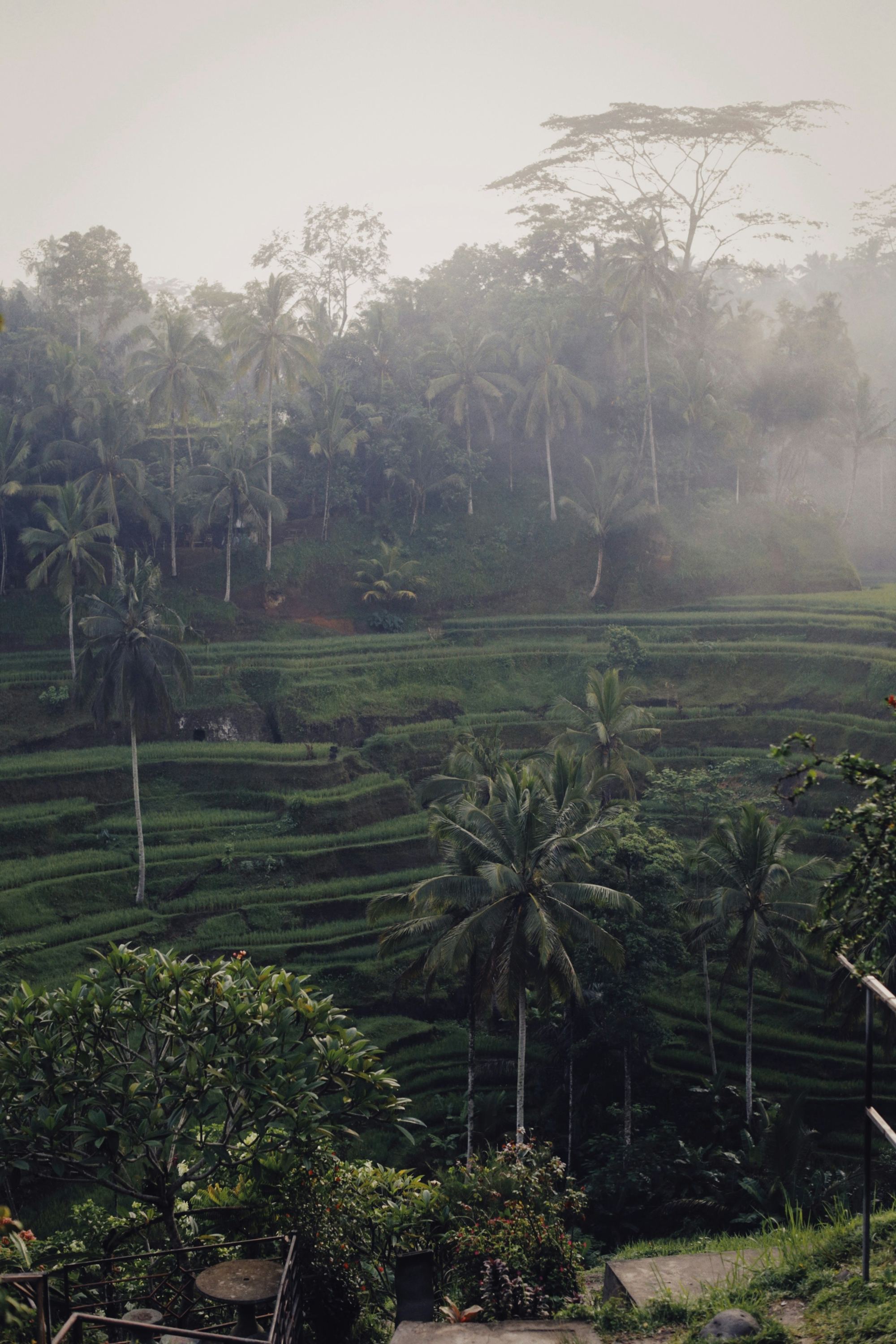
01 The fields
No field is watered alone.
In Bali, farmers have shared water for more than a thousand years through the subak: canals, water temples and agreements that decide together when each terrace is flooded and planted. UNESCO recognised the subak landscapes as World Heritage in 2012. Many old farming cultures hold the same lesson: the land is worked together, or not at all.
02 The seasons
The year was never one long season.
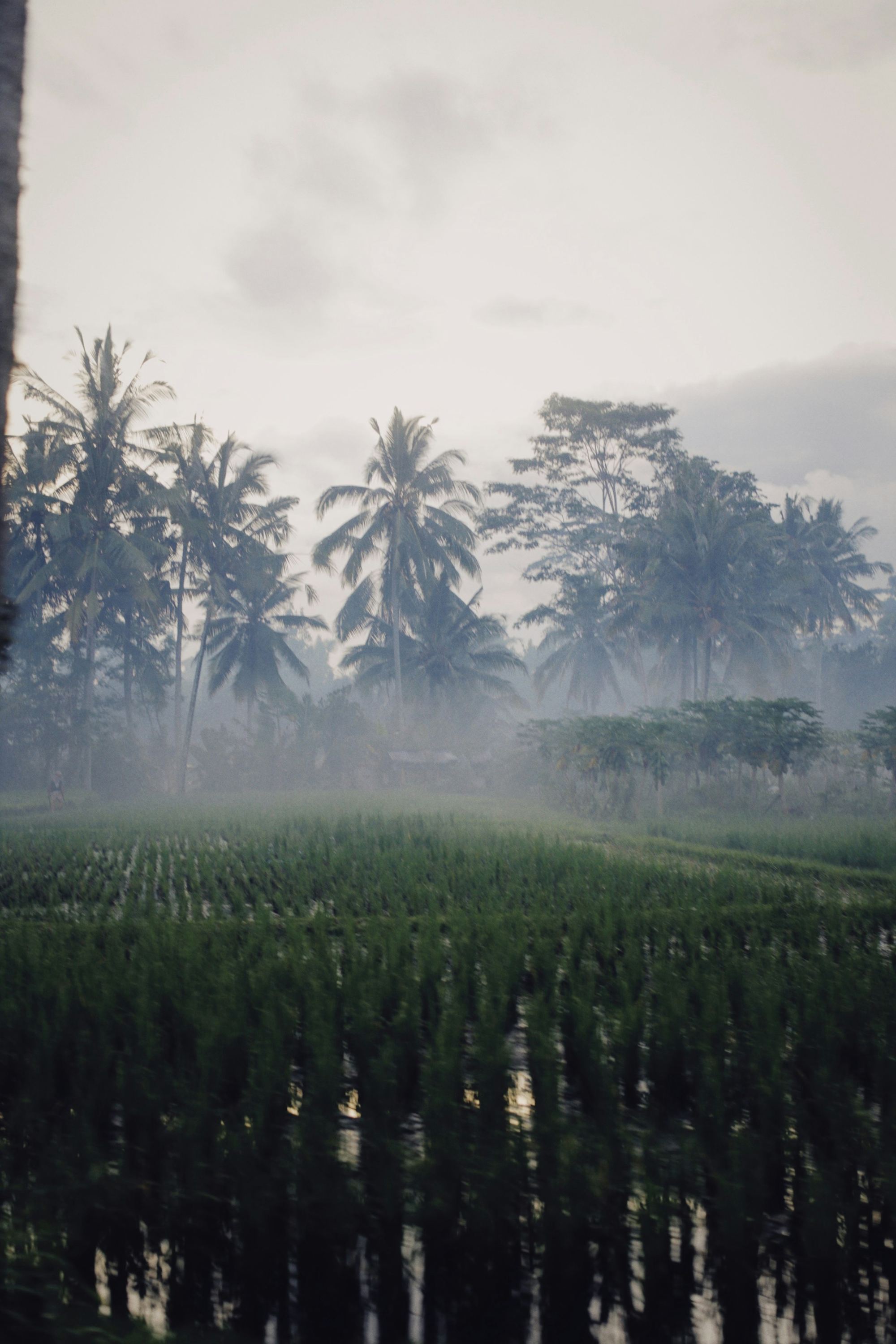
China divides the year into twenty-four solar terms, inscribed by UNESCO in 2016. Japan follows seventy-two micro-seasons of a few days each, and eats what is at its peak. India's Ayurveda shapes the day and the season around the same sun. What to eat, when to rest and when to work were once read from the sky.
03 The garden and the cup
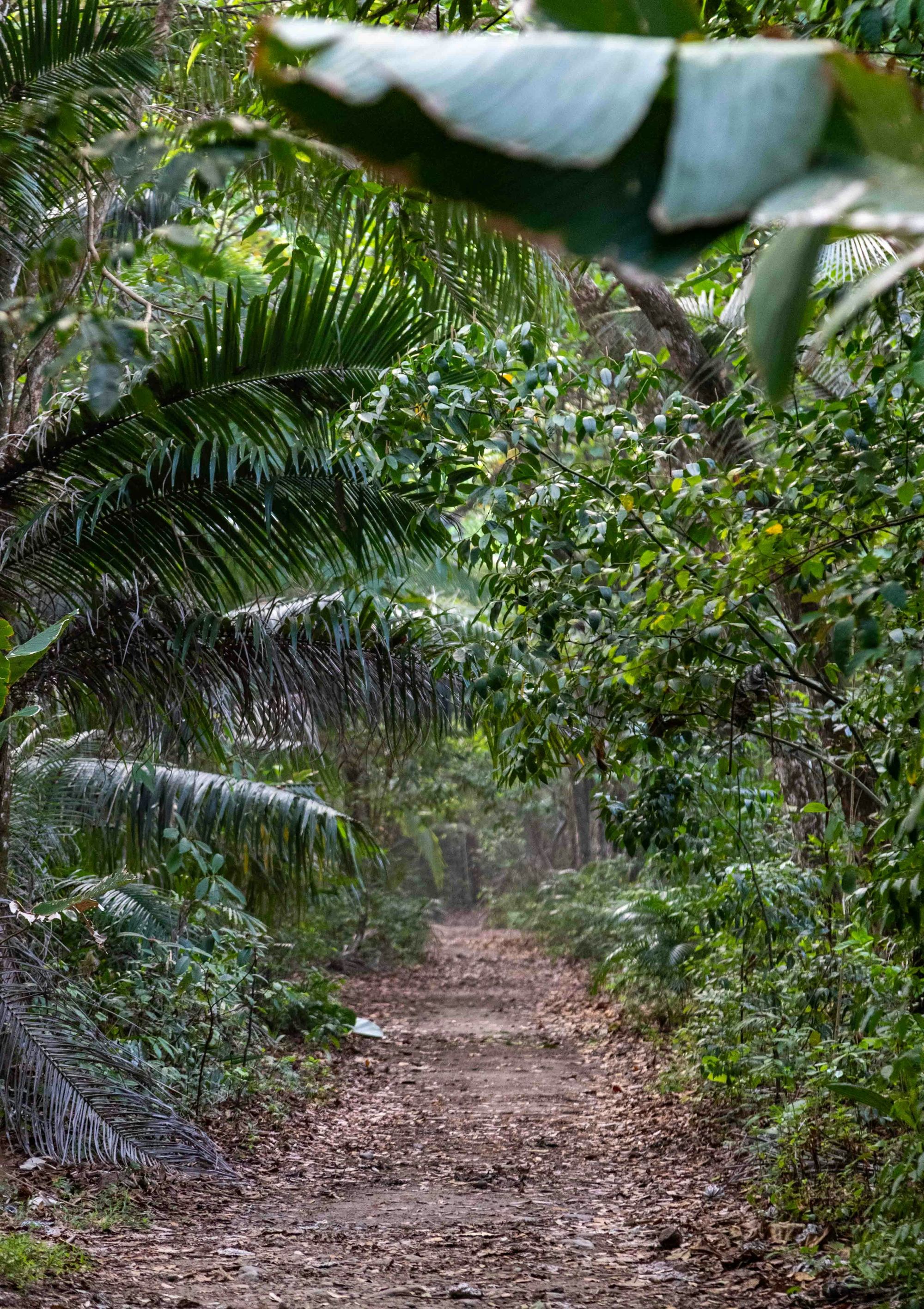
Every house keeps a few plants within reach.
Turmeric, ginger and lemongrass in an Indonesian compound. Rosemary, sage and thyme by a Mediterranean door. They go into the food, the offerings and the daily drink of the household, and the knowledge of them passes from grandmother to grandchild. In 2023 UNESCO inscribed Indonesia's jamu, the daily plant drink, as intangible heritage of humanity.
04 The kept knowledge
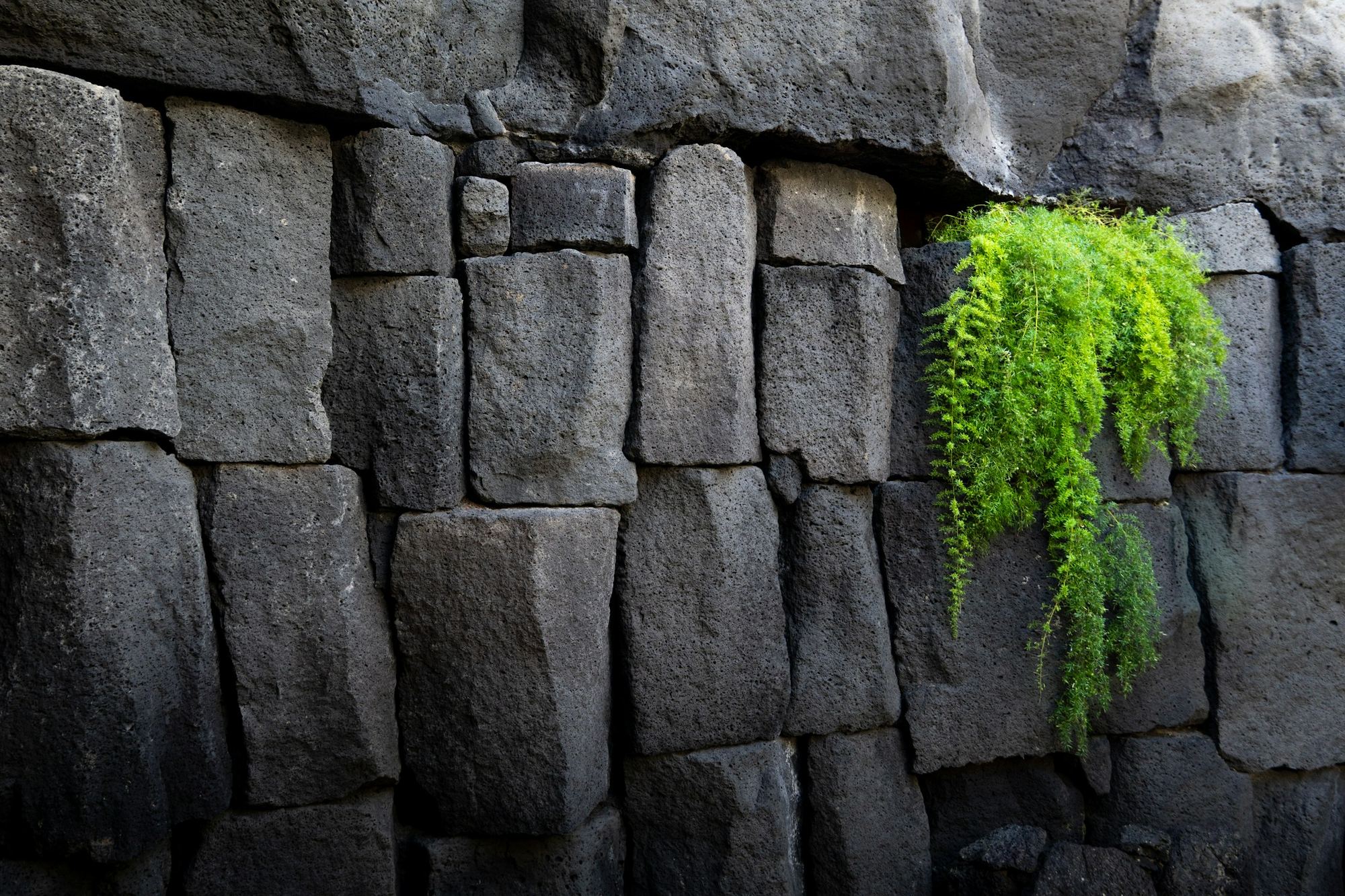
Some knowledge is written down, and kept.
Bali's usada on palm-leaf manuscripts. The medical texts of Tibet. The classical works of Ayurveda. Each is held by people trained in it over a lifetime, within their own tradition.
None of it is ours to teach or to sell. We honour it through the people who hold it, by name.
05 The calendar
Every place keeps its own time.
Once a year, on Nyepi, Bali goes silent: no lights, no travel, no work, from one dawn to the next. Even the airport closes. Other places keep their own days of rest, fasting and feast. A good guest keeps the host's calendar, and does not sell it.

The first place
THRE begins in Bali.
Its elders, farmers and makers will be our first teachers. Each place that follows will bring its own.
What we will never claim
We are not here to replace your doctor.
THRE does not diagnose, treat or replace medical care. If you arrive with your own physician's regimen, it continues undisturbed and without comment. The traditions of every place are shared as heritage, never as cures.
We offer steadiness and clarity: often a first step toward capability, rarely the last.
How we intend to learn
Through the community, not the market.
The elders will tell the rest in their own words. Members of the circle will hear them first.